A Geographical Indication (GI) is a sign or name used on products that originate from a specific geographical region and possess qualities, characteristics or reputation attributable to that location.
In simple terms, a GI tag certifies authenticity — it assures consumers that a product genuinely comes from its traditional region and carries its unique heritage.
Examples of GI products in India
- Darjeeling Tea
- Banaras Brocades and Sarees
- Kanchipuram Silk
- Pochampally Ikat
- Kashmir Pashmina
- Nagpur Orange
- Mysore Sandalwood products
What is GI protection?
In India, GI protection is governed by the Geographical Indications of Goods (Registration and Protection) Act, 1999.
GI registration helps:
- Protect traditional products from imitation and misuse
- Preserve indigenous knowledge and craftsmanship
- Strengthen consumer trust and product authenticity
- Improve economic opportunities for local producers
- Promote sustainable livelihoods and rural development
Only authorized producers from the designated geographical area are legally entitled to use a registered GI name.
India’s living traditions
India’s civilizational heritage spans several millennia and reflects continuous cultural, social and economic evolution. Across this long history, traditional knowledge systems have shaped agriculture, food, textiles, medicine, crafts and artisanal production.
These traditions are not merely relics of the past — they remain living economic and cultural assets.
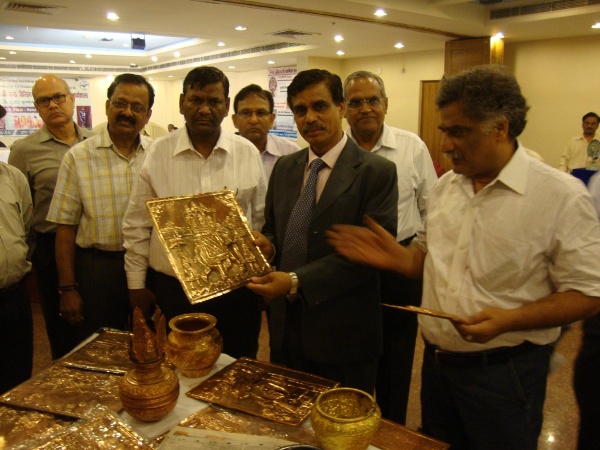
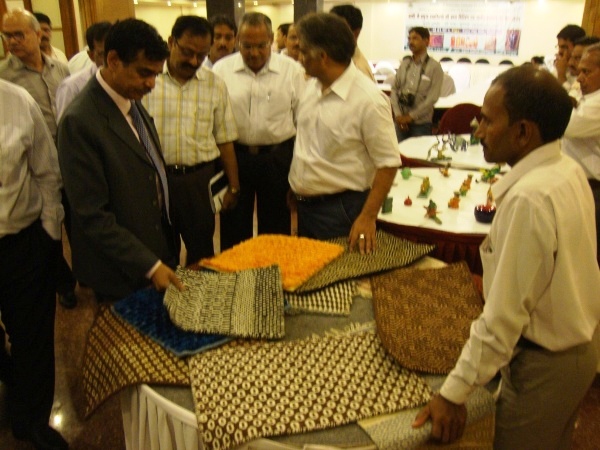
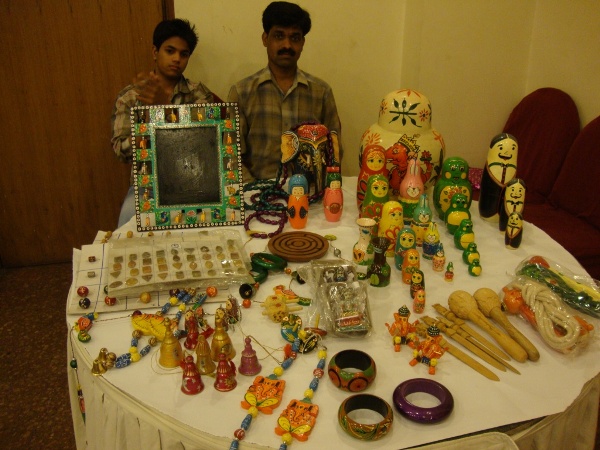
From handwoven textiles in the north and south, to handicrafts in the east and west, to region-specific agricultural produce, GI products represent the collective skill and identity of communities across India.
Why GI matters today
Globalization and industrial mass production have created significant challenges for traditional producers:
- Cheap imitations
- Machine-made substitutes
- Market exploitation
- Weak bargaining power for artisans
- Declining interest among younger generations
Without proper protection, traditional communities often lose both recognition and income, even when their heritage products remain commercially valuable.
GI protection helps restore fairness by ensuring that the value of heritage remains connected to its original producers.
HWA’s role
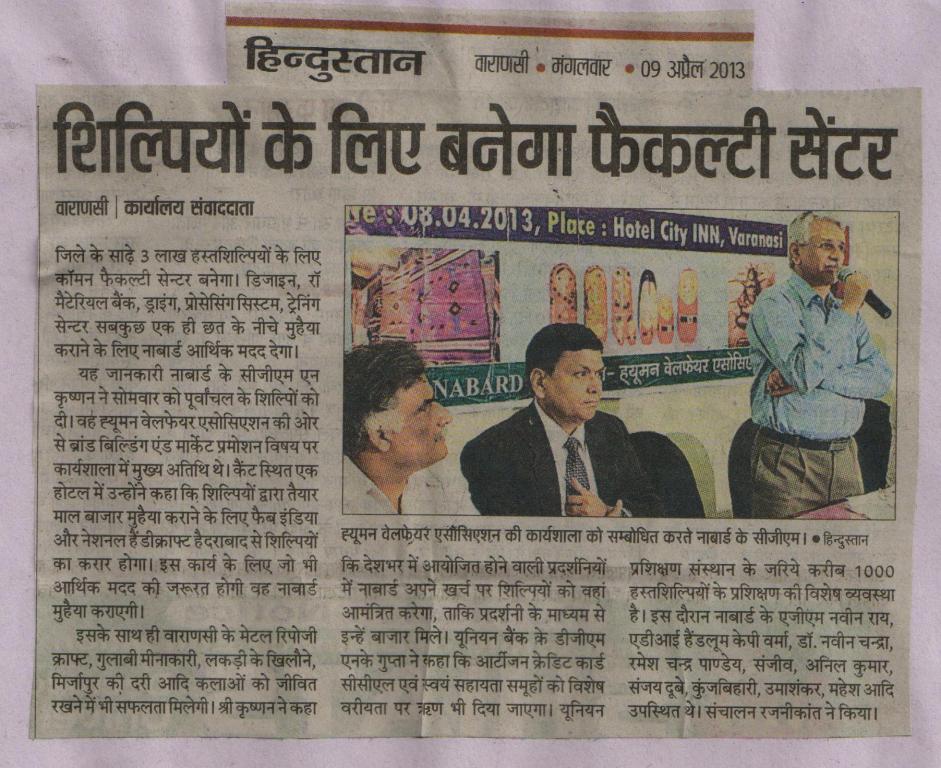
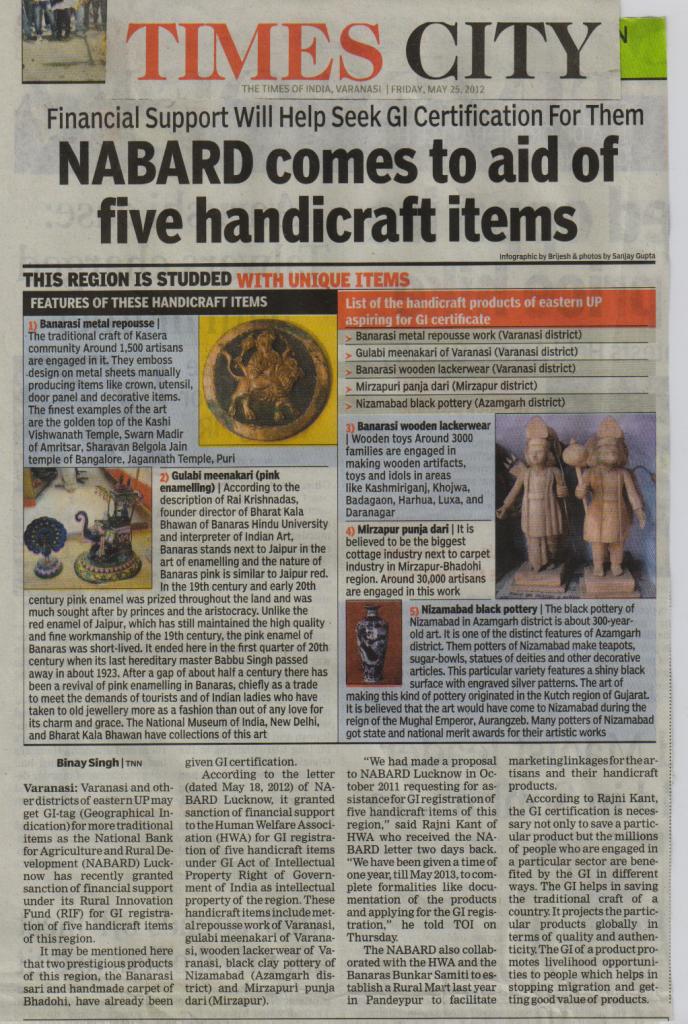
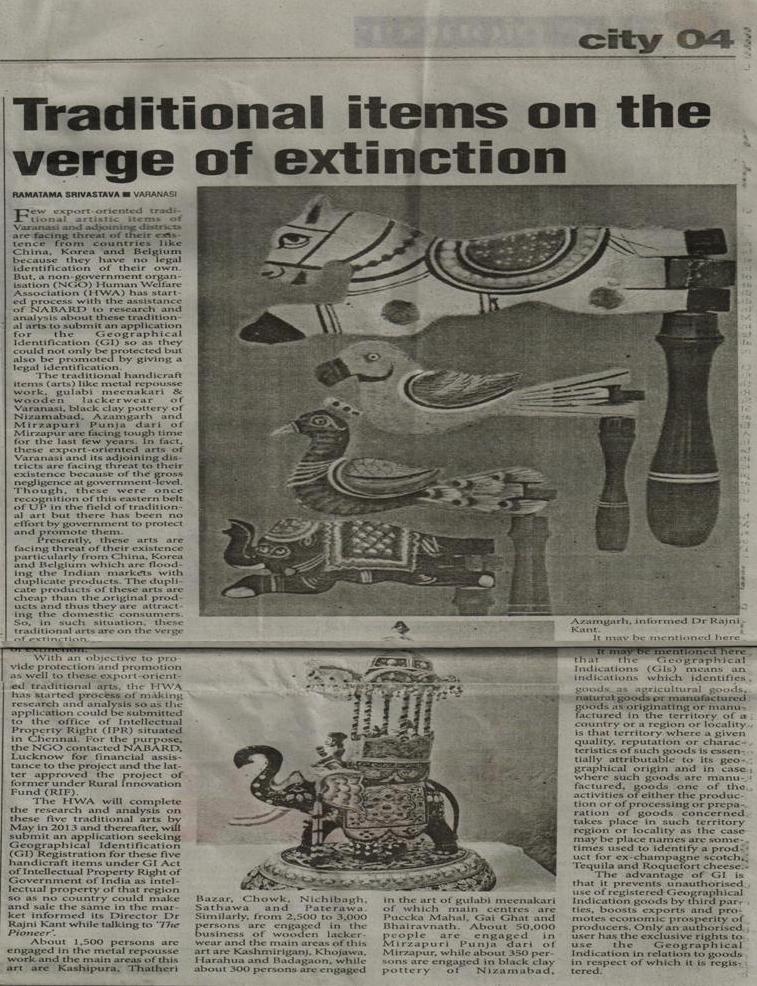
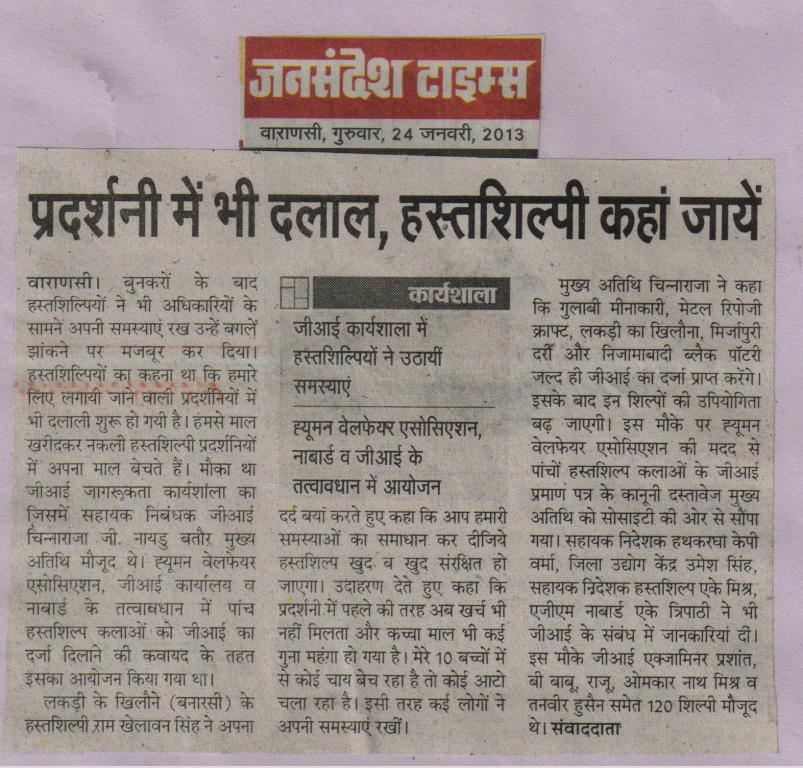
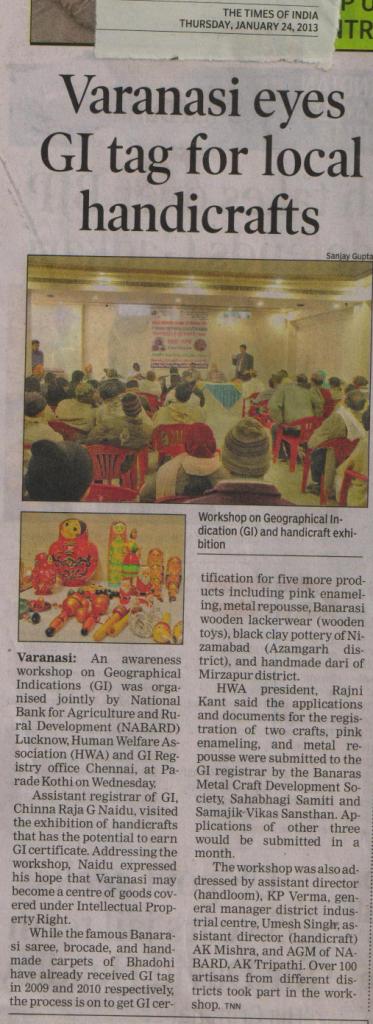
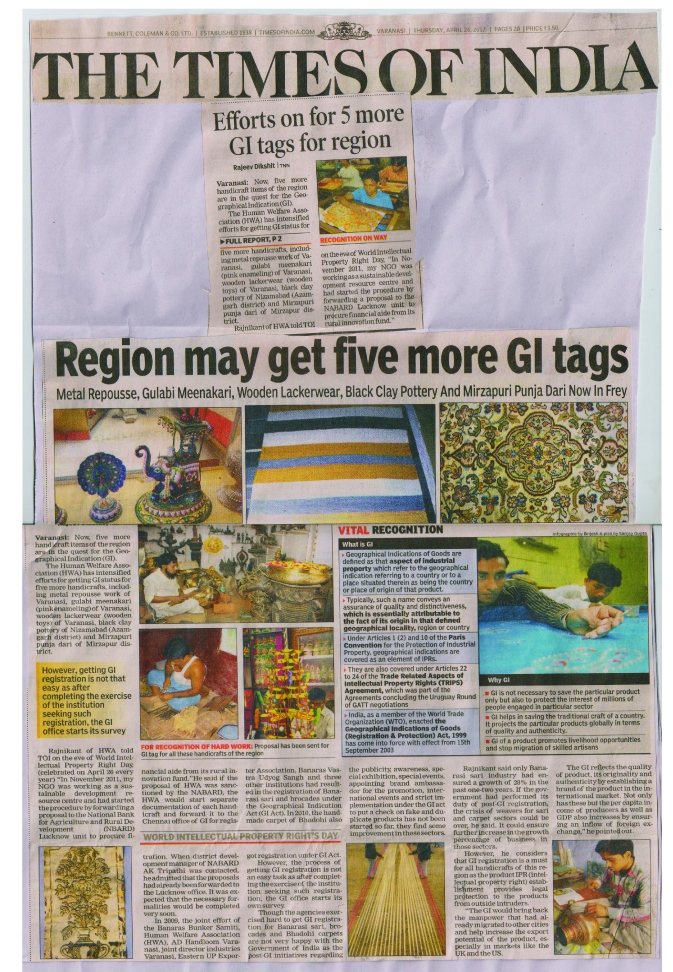
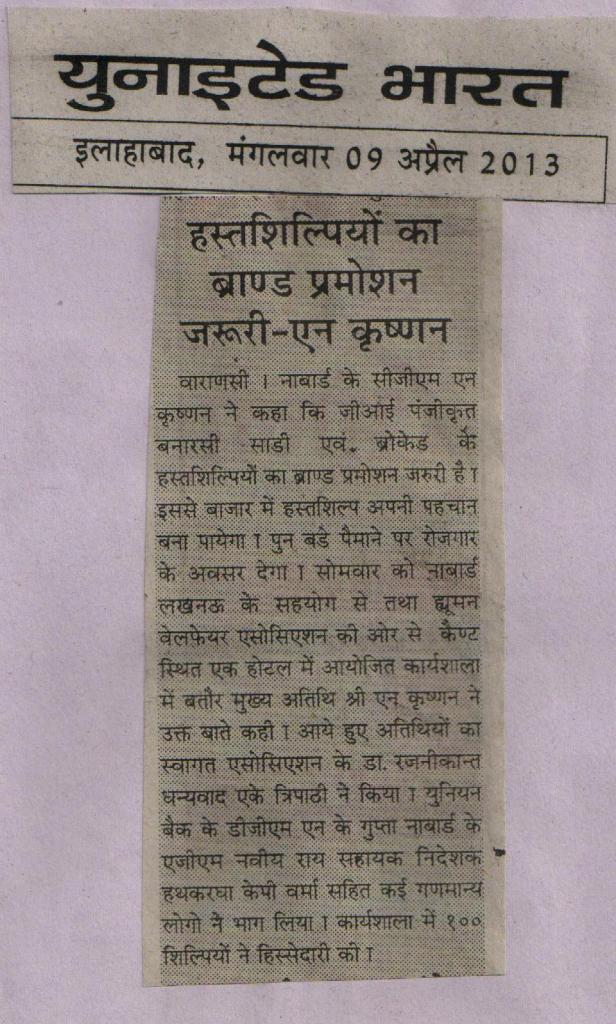
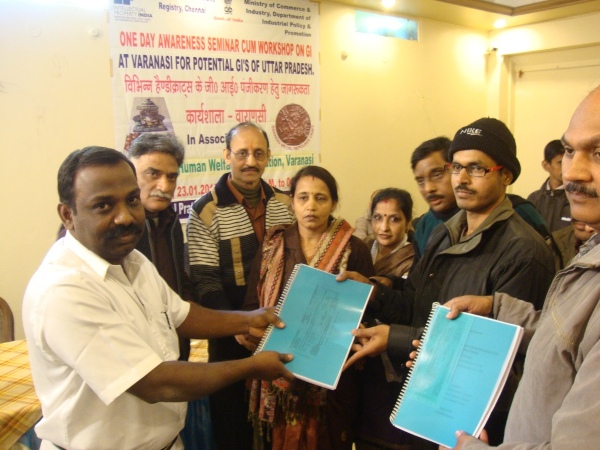
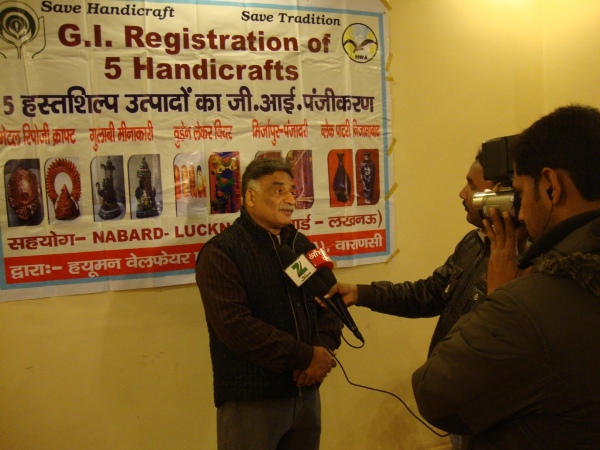
Human Welfare Association (HWA) has been actively engaged in promoting awareness, protection and equitable development around Geographical Indications in India.
HWA works with artisan groups, producer communities, institutions and stakeholders to:
- Build awareness of GI rights and intellectual property
- Support documentation and GI registration efforts
- Advocate for traditional producers
- Encourage fair market access
- Strengthen livelihoods through heritage-based development
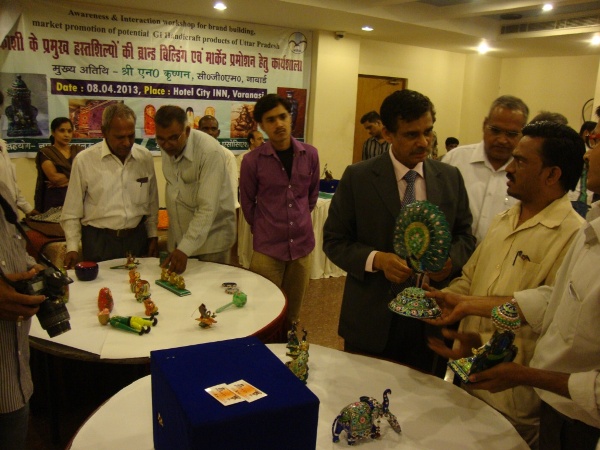
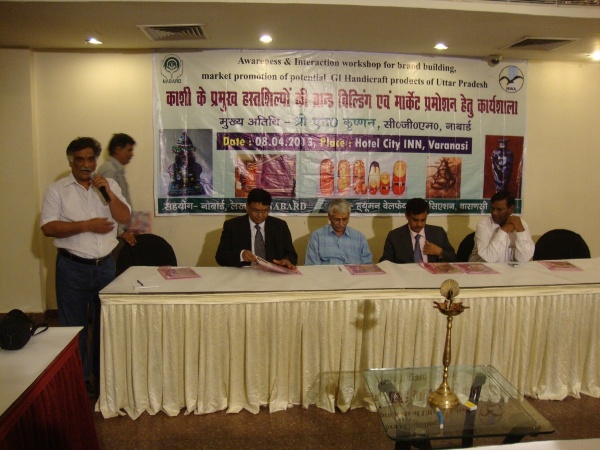
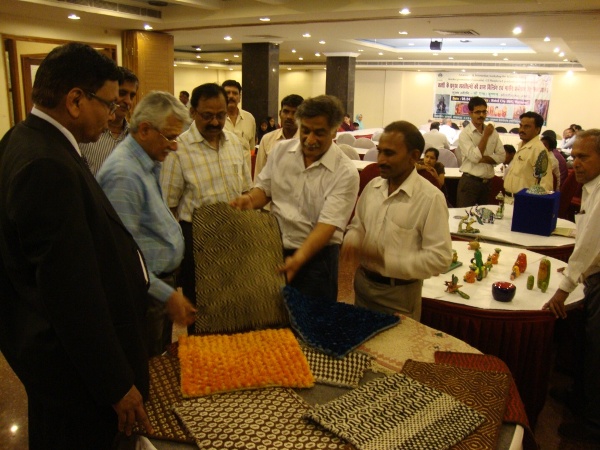
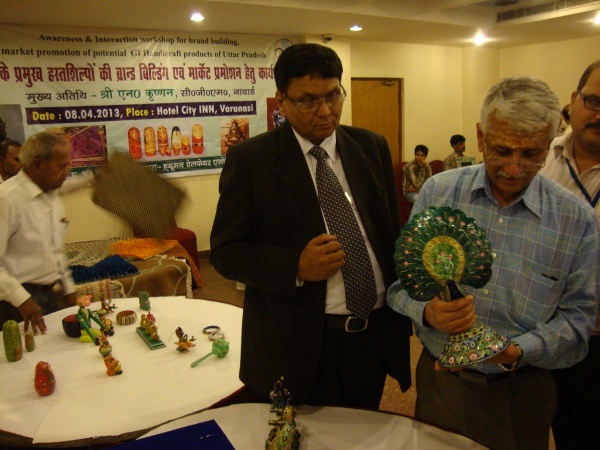
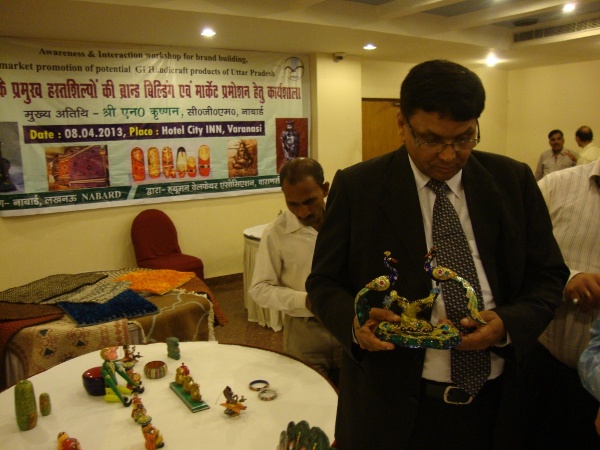
While HWA’s early initiatives included important work with traditional craft clusters such as Banaras weaving communities, its vision and engagement extend far beyond any single region.
HWA believes that GI protection should serve communities across India by preserving heritage while enabling inclusive economic growth.
Looking ahead
Geographical Indications are more than legal protections — they are instruments of cultural preservation, economic empowerment and social justice.
When we protect GI products, we protect:
- Heritage
- Skills
- Communities
- Livelihoods
- Future generations
A strong GI ecosystem ensures that India’s traditional knowledge and craftsmanship continue to thrive in the modern world while honoring the people who sustain them.
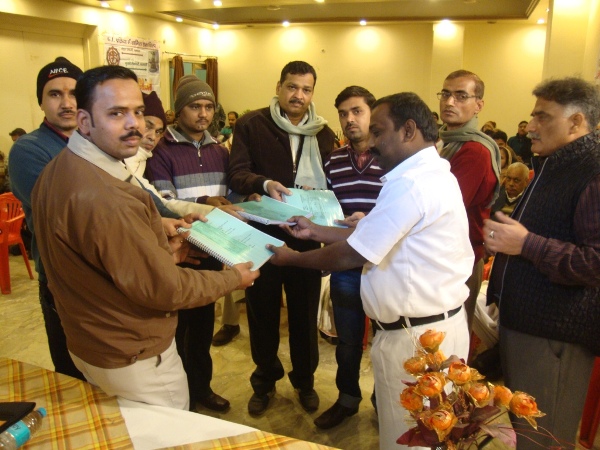
Photo Gallery
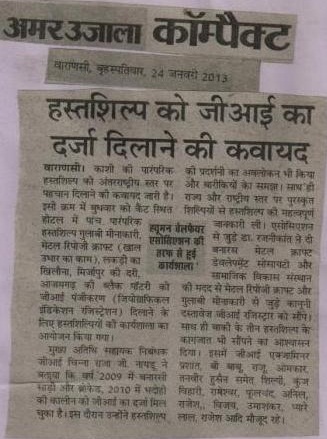
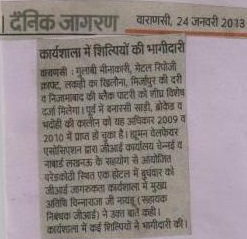
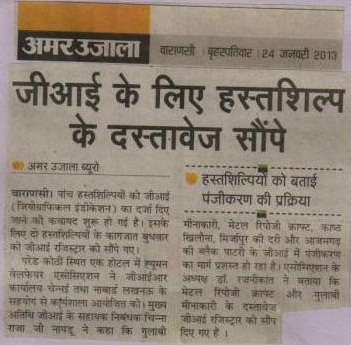
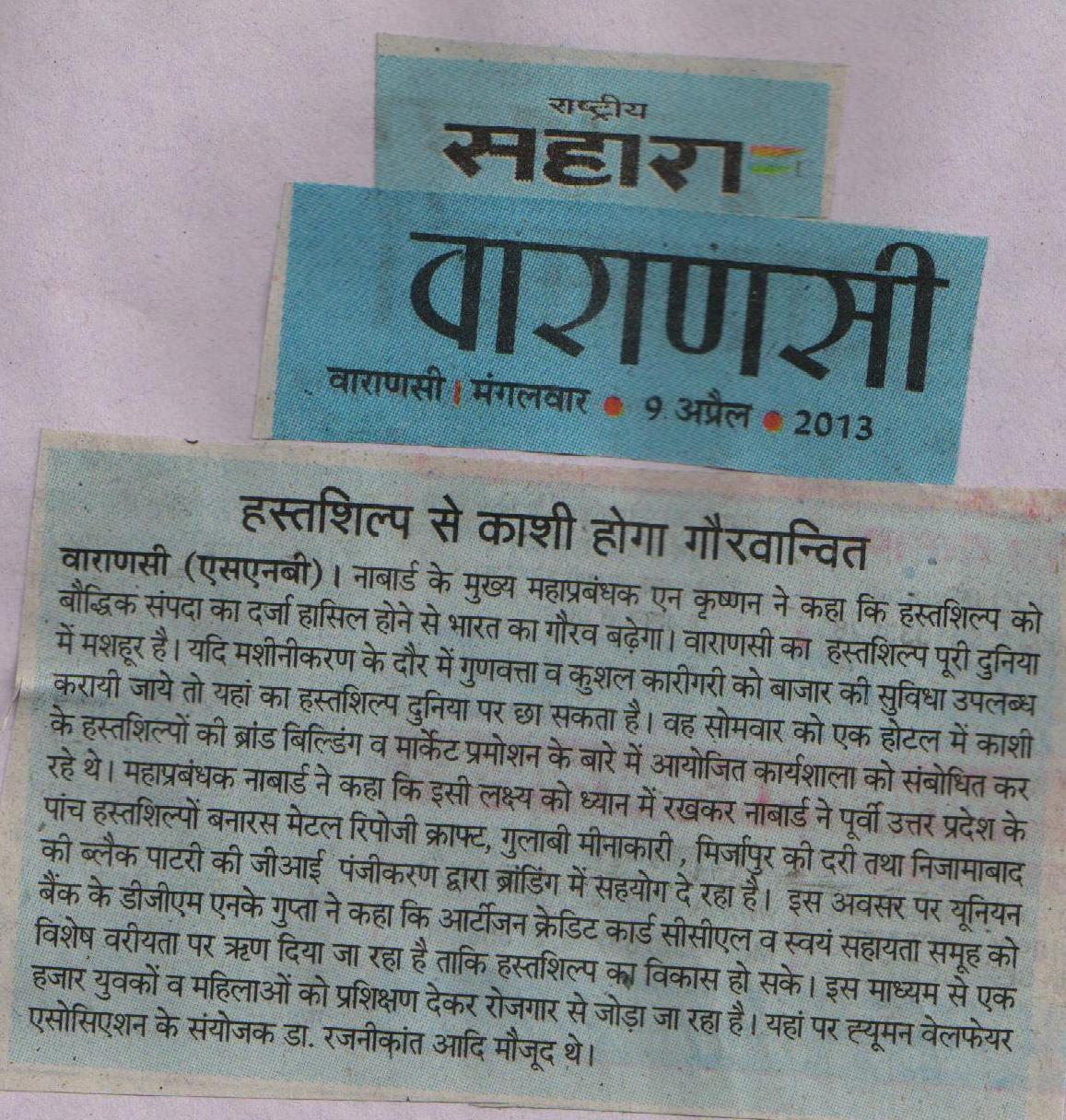
Press Coverage